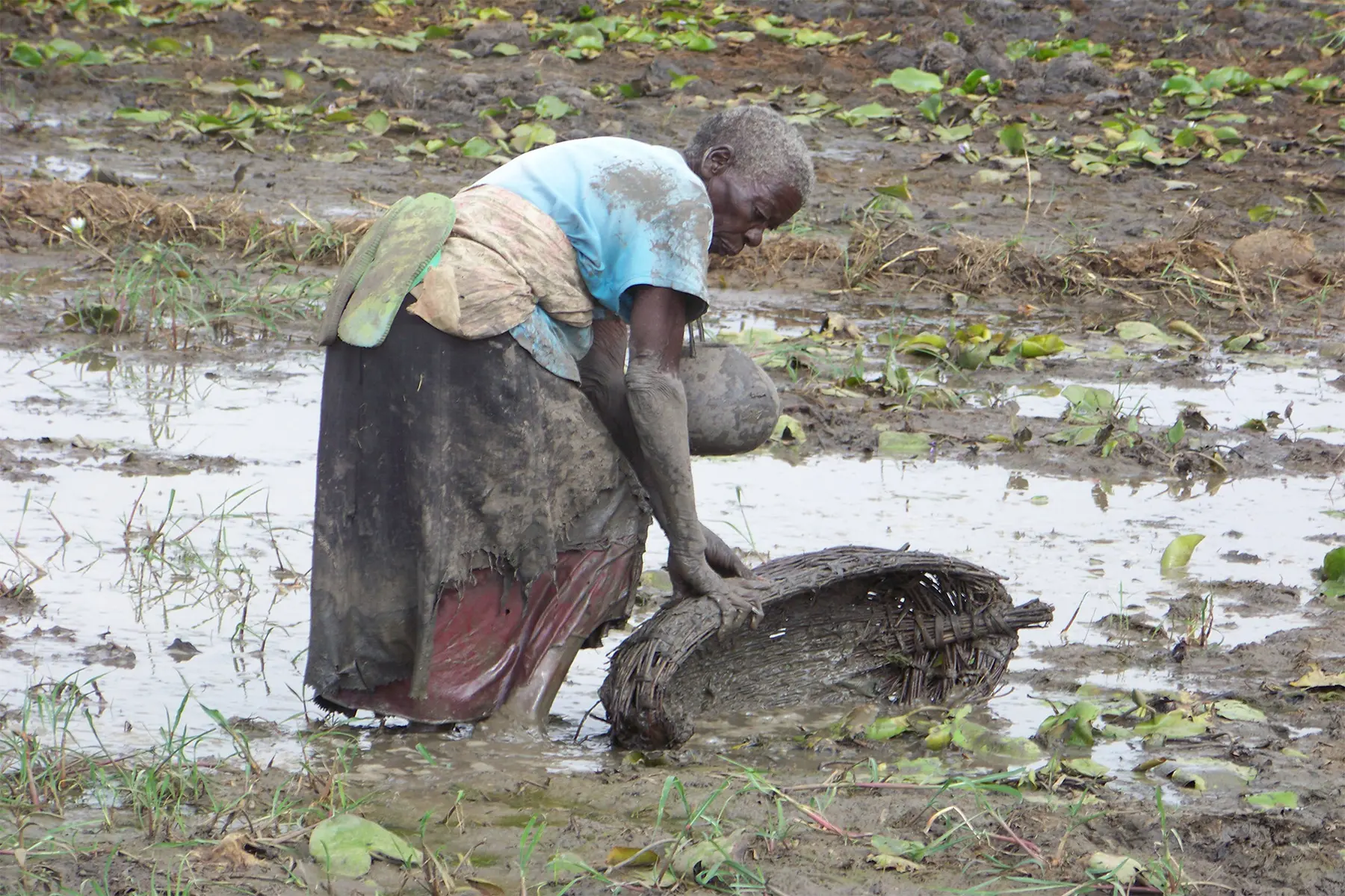
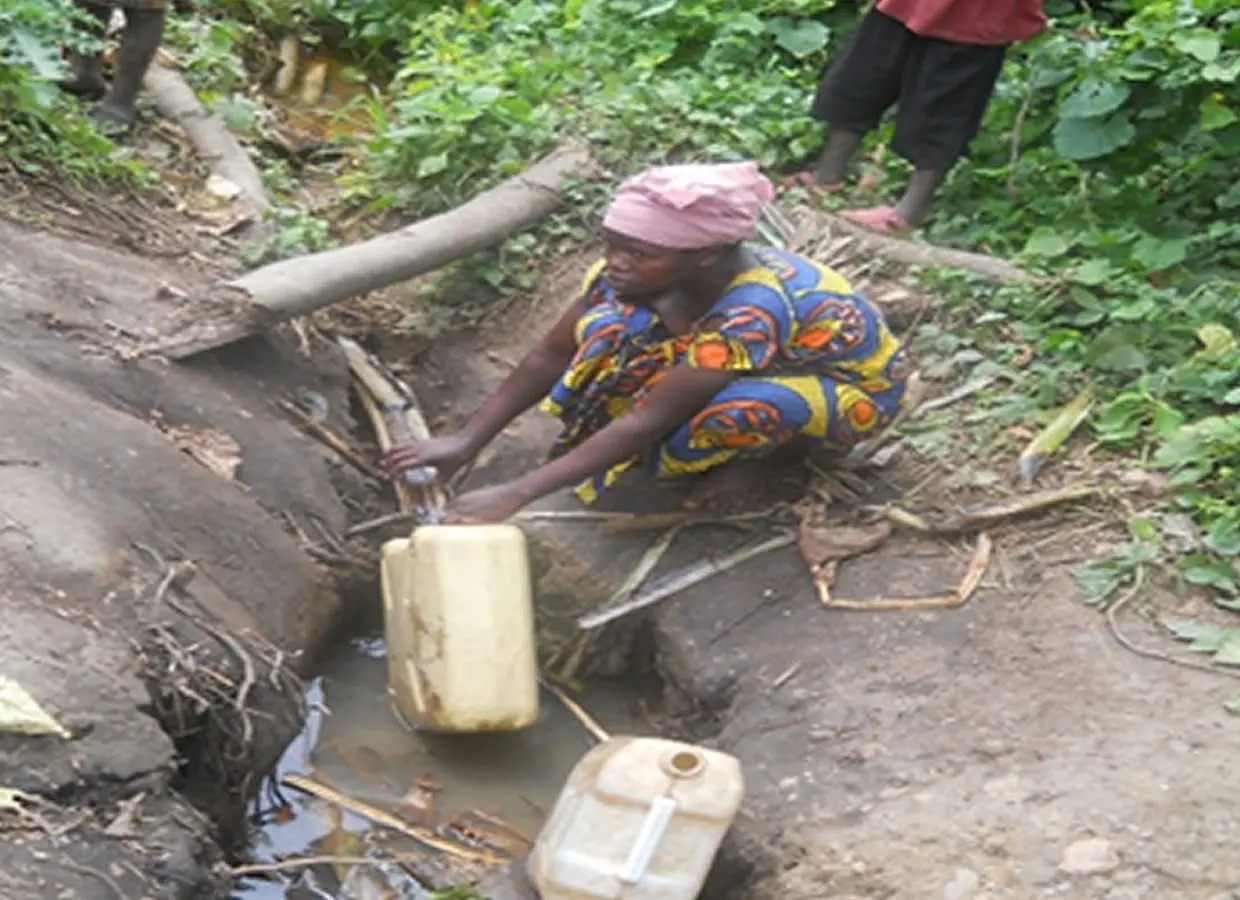
Unsafe water access
Some households rely on unprotected or distant sources, increasing health risks and the burden of water collection.
Programme 05
Protecting ecosystems, advancing safe water and sanitation, and strengthening locally led climate action.
Why this work matters
Environmental degradation and unsafe or unreliable water sources affect health, livelihoods, education and the time women and girls spend collecting water.
YWAFT’s environmental work connects community awareness, tree growing, water stewardship and practical climate action. The organisation’s strategic approach also promotes rainwater harvesting, sanitation and hygiene, and protection of local water sources.
These issues are connected: healthy forests and soils protect water, safe sanitation protects public health, and locally owned solutions help communities prepare for climate shocks without leaving vulnerable people behind.
The challenge
Unsafe water, environmental degradation and limited resources for adaptation can reinforce poor health, lost time, insecure livelihoods and greater climate vulnerability.
Some households rely on unprotected or distant sources, increasing health risks and the burden of water collection.
Deforestation, damaged wetlands, soil loss and declining biodiversity weaken the natural systems communities rely on.
Drought, flooding and changing rainfall patterns can disrupt water availability, food production and household security.
Communities may lack finance, equipment, information and coordinated local structures for sustained environmental action.
Our approach
YWAFT links practical community action with awareness and partnerships so environmental priorities can become locally owned solutions.
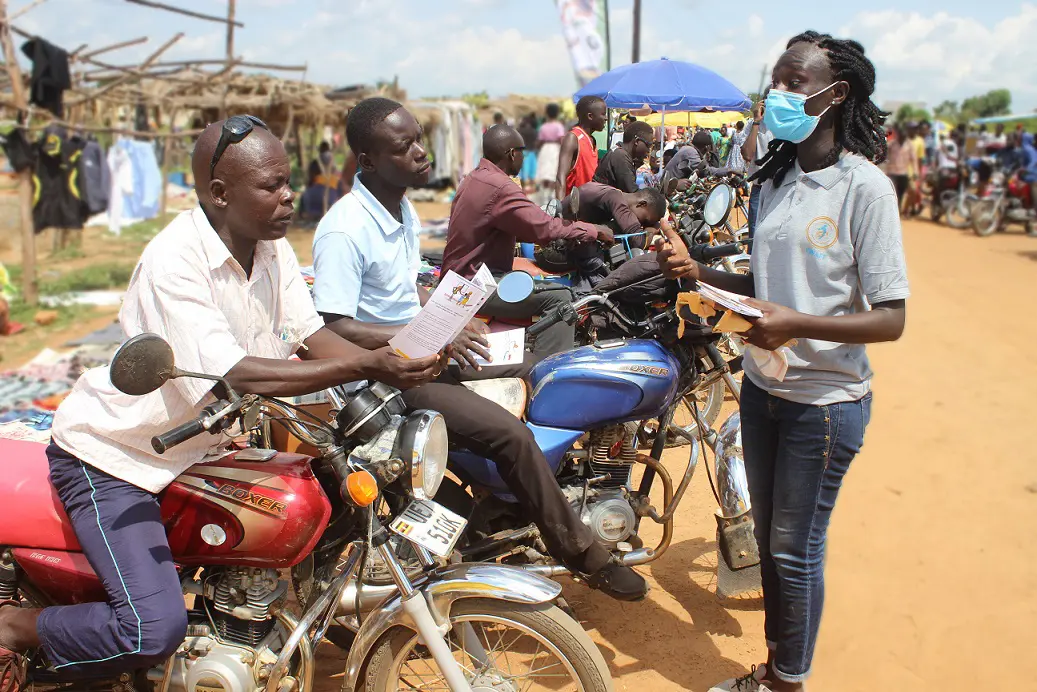
Dialogue and public education help communities understand environmental risks, sanitation, hygiene and shared responsibility.
Tree nurseries, seedling distribution and restoration activities support greener public spaces and healthier local ecosystems.
Rainwater harvesting, protected sources, sanitation and handwashing are central priorities in YWAFT’s strategic WASH approach.
Renewable energy, soil and water conservation, and climate-smart production help reduce pressure on natural resources.
Featured initiative
YWAFT’s strategic approach links household rainwater harvesting, sanitation and hygiene, protection of local water sources, tree growing and environmental restoration. These priorities are advanced through community participation and partnership.
Documented action
YWAFT’s 2019–2022 strategic plan records community training, tree-seedling activity, household rainwater harvesting and promotion of biogas as part of its environmental work.
The training figure and activity descriptions below come from YWAFT’s supplied 2019–2022 strategic plan. Replace or supplement them when newer approved records become available.
Community in action
“Healthy environments and safe water strengthen dignity, health and opportunity.”
Community awareness helps people connect everyday decisions with water safety, sanitation, ecosystem health and climate resilience. YWAFT works through dialogue and locally led action so solutions reflect community priorities and shared responsibility.
Partner for lasting impact